CPT equipment, tools and a digital CPT data acquisition with unmanned systems

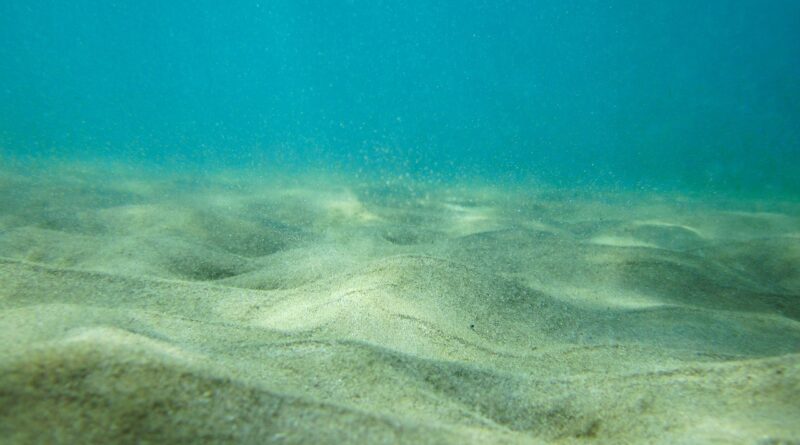
Cone Penetration Testing (CPT) is a commonly used geotechnical testing method in the marine industry, where it is used to investigate the properties of the seabed and provide information for the design of offshore structures, such as pipelines, wind turbines, and oil rigs. To perform CPT in marine environments, specialized equipment, tools, and a digital CPT data acquisition system are required.
The basic CPT equipment used in marine environments includes a cone penetrometer, a hydraulic ram, and a CPT deployment system.The use of unmanned systems, such as autonomous surface vessels (ASVs) and remotely operated vehicles (ROVs), in Cone Penetration Testing (CPT) can significantly improve the efficiency, safety, and accuracy of the testing. These unmanned systems can be equipped with specialized CPT equipment, tools, and digital data acquisition systems to perform CPT in hazardous or difficult-to-reach marine environments.ASVs and ROVs can be equipped with CPT probes and deployment systems that enable them to perform CPT tests in deep water, in areas with strong currents or rough seas, and in remote locations where human access is limited. In addition, unmanned systems can be equipped with specialized sensors, such as acoustic or optical sensors, that can provide valuable information on the seabed conditions and the performance of the CPT tests.CPT tools and equipment can also be adapted for use with unmanned systems. For example, ROVs can be equipped with specialized seabed samplers and downhole geophysical tools that enable them to collect soil samples and measure the strength and stiffness of the soil at different depths. These tools can provide more detailed information on the seabed conditions and improve the accuracy of the CPT tests.
High-Speed Counter-UAS interceptors -Speed Changes the Sensor Problem
Autonomous and Uncrewed Systems Speed Changes the Sensor Problem High-speed...
Read MoreFuture Jobs – Multidisciplinary Skills by Default
Autonomous and Uncrewed Systems From Degrees to Capability Technology sectors...
Read MoreUnmanned Systems and Digital Twins: Closing the Loop Between Simulation and Reality
Autonomous and Uncrewed Systems From Autonomy to Predictability Unmanned systems...
Read MoreBatteries for Autonomous Systems: The Real Constraint Behind Autonomy
Autonomous and Uncrewed Systems Subsea Drones: Autonomy, Saturation, and a...
Read More